Truth & Reconciliation
History is often written by those with the most power. We acknowledge that many voices were excluded from YWCA Hamilton’s story; as part of our reconciliation work, we are committed to repair. This means we are asking questions, and inviting more voices and experiences into how we understand our history. The content we share here will evolve over time, as our understandings do.
In 1889, YWCA Hamilton’s first location opened. 135 years later, the organization works to improve the lives of women, gender-diverse people and girls.
By looking to the past, we can better understand how our programs and services have changed over this time.
Adelaide Hoodless was YWCA Hamilton’s second board president (1889-1903). She founded the School of Domestic Sciences at YWCA Hamilton in the 1890s, and was successful in having domestic sciences integrated into the Ontario public school curriculum. Hoodless believed domestic sciences would help ground young women in becoming civilized, industrious, patriotic and Christian (McCallum, 2002). She believed young women’s main role was to perform domestic labour in the home (Hoodless, 1900).
YWCA Hamilton recognizes Hoodless’ intentions and their impacts as tools for oppression and assimilation.
The impacts of Hoodless’ work harmed First Nations, Métis and Inuit women, and erased their cultural identities and traditional knowledges. In 2022, YWCA Canada shared a preliminary report with member associations across the country detailing our movement’s involvement in the colonial project. This preliminary report confirms that YWCAs across Canada, including YWCA Hamilton, delivered recreational and employment programs as part of residential schools and ‘Indian’ hospitals, as well as to the broader community.
The report details Adelaide Hoodless’ involvement in supporting colonial practices that sought to assimilate Indigenous women and girls.
YWCA Hamilton benefitted financially from Hoodless’ ties to the colonial project. This report was authored by two white researchers and used only secondary settler-created sources. YWCA Canada is working with Indigenous researchers on a full report that will centre Indigenous voices and experiences of residential schools, ‘Indian’ hospitals and day programs, as well as their descendants.
YWCA Hamilton chooses to publicly share this information because the organization has benefitted financially from Hoodless’ ties to the colonial project, and truth-telling is an important first step toward reconciliation. Since learning about these truths, we started work with Niibin, an Indigenous consulting firm alongside an internal staff group to share these truths across our organization and to develop an action plan.
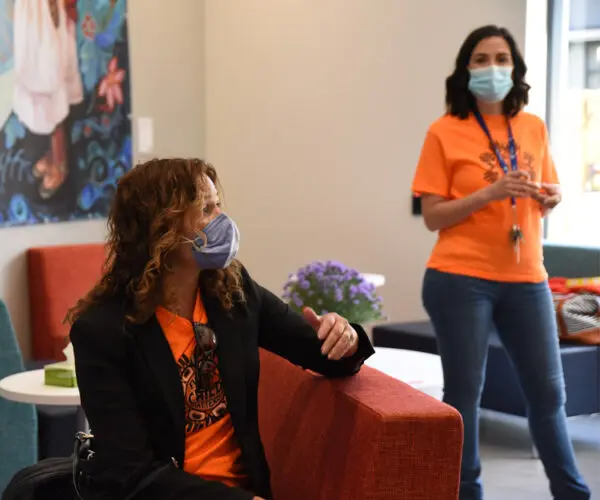
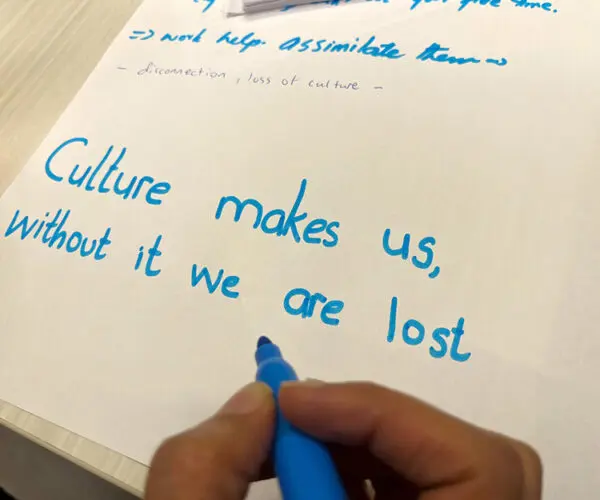
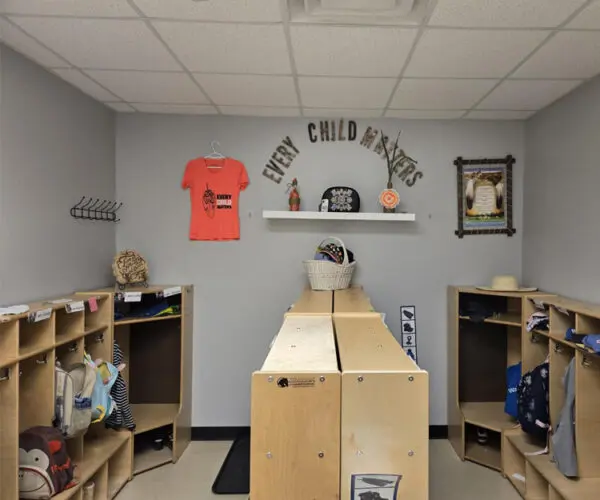
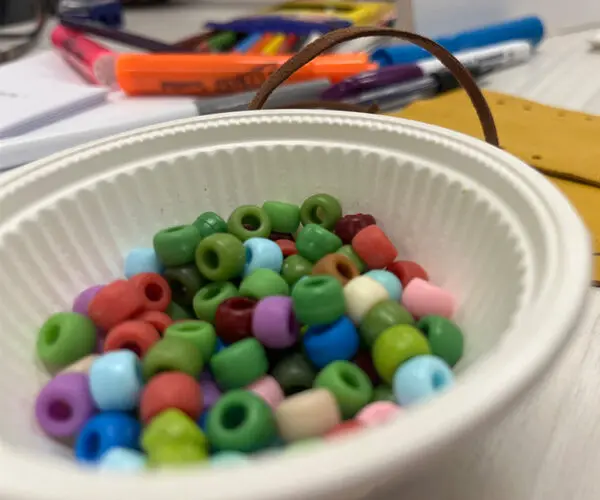
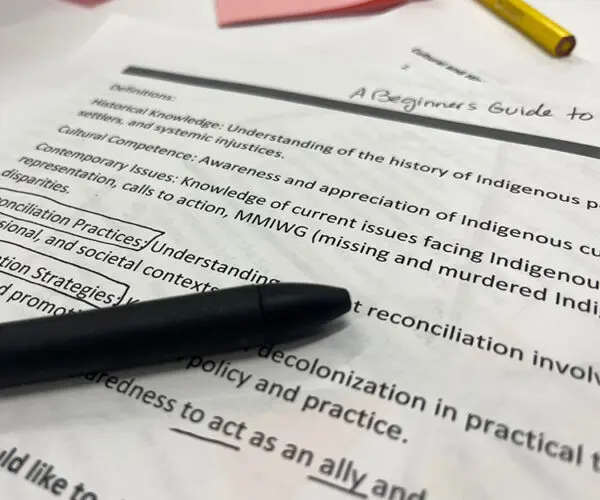
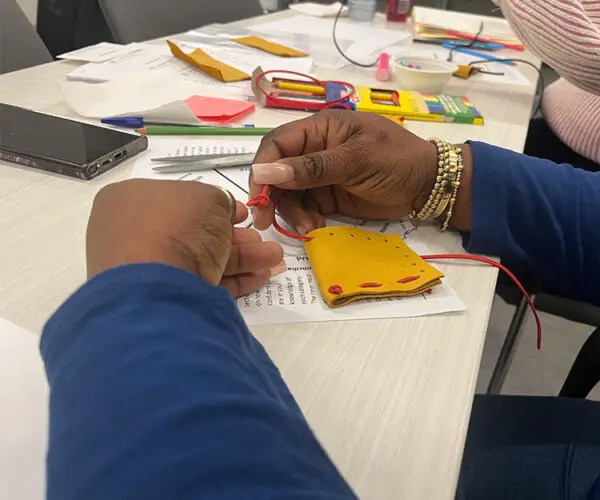
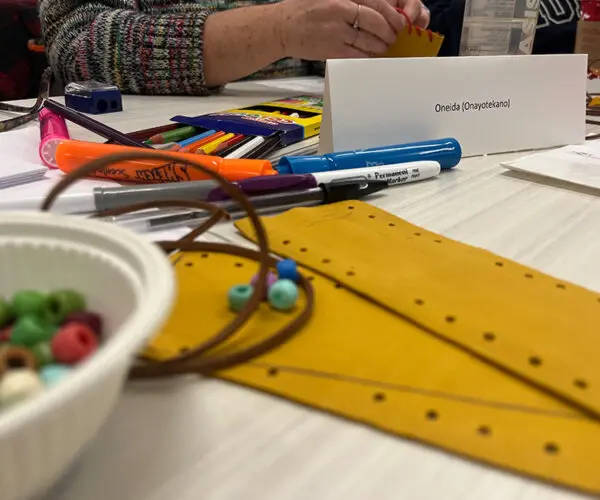
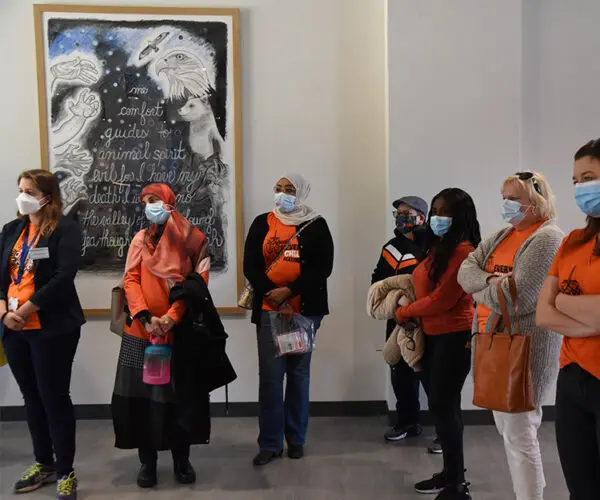
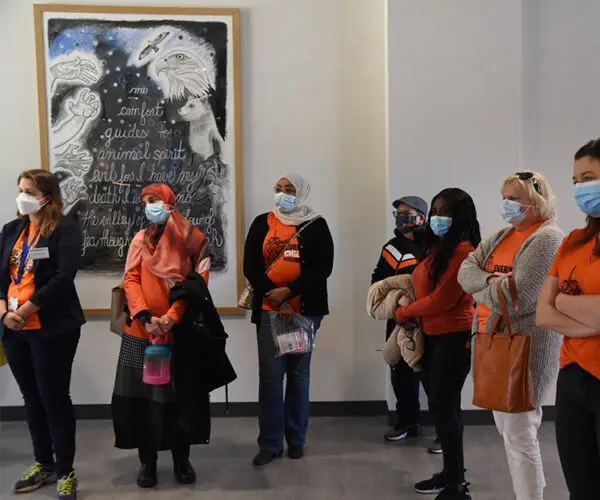
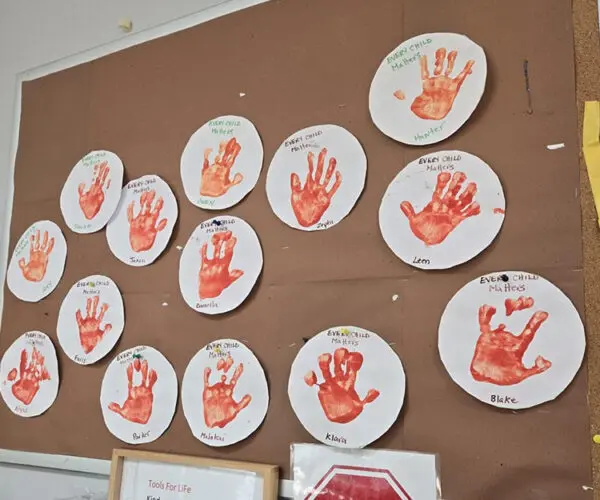
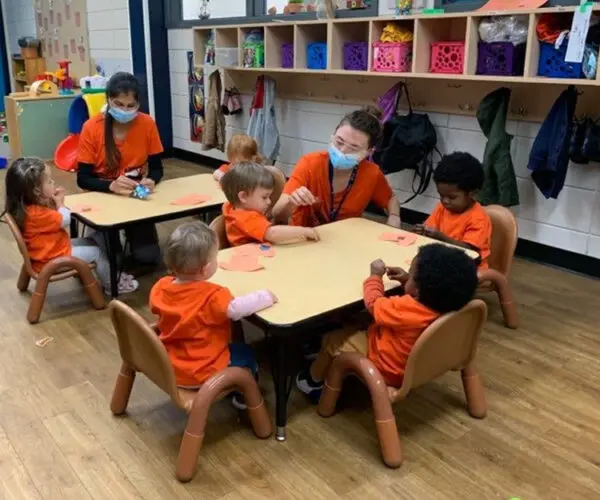
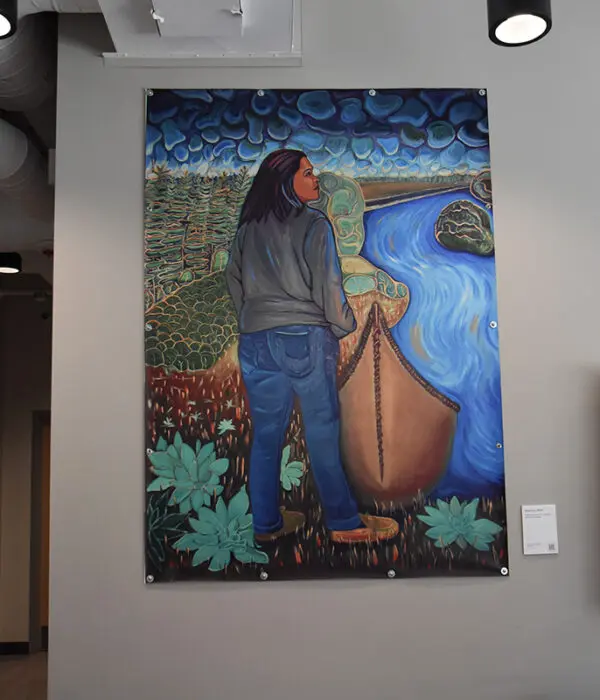
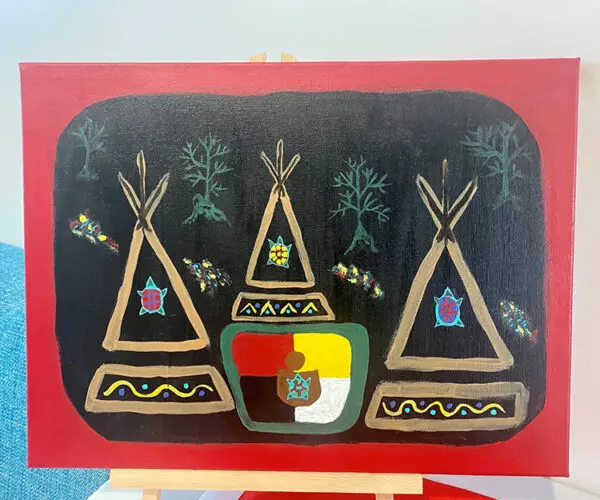
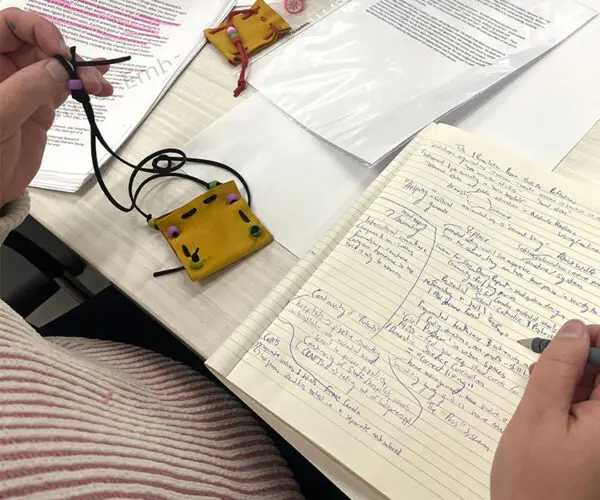
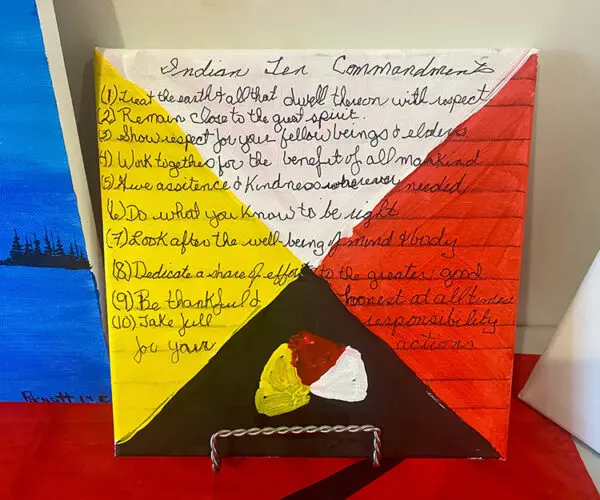
 A humble reflection and commitment from YWCA Hamilton CEO, Medora Uppal
Truth and Reconciliation are important terms for work that will take lifetimes. When I learned of YWCA’s involvement in the colonial project, I knew we had to dedicate the time and resources to do this work with intention. We engaged an Indigenous Consulting Firm, Niibin, to guide us with humility alongside Indigenous leaders at our organization to assemble a Truth and Reconciliation Working Group.
The commitments that guide our work:
– Indigenous colleagues and community members are well-supported and feel belonging in this process
– We believe it is ethical to be real and humble
– We must be committed to stewarding this journey and avoid causing greater harm and risk.
– We will find methods of reciprocity to community and colleagues.
We released the preliminary report to staff and have held 6 half-day sessions for meaningful learning and engagement with all staff in our organization.
Our vision for this work is that the release of the report and subsequent reflection will propel YWCA Hamilton to meaningful and realistic change which enables Indigenous folks in our community to trust us. We intend to foster work environments that resist colonial structures and nurture belonging for all.
We are working to acknowledge the harms that YWCA Hamilton has been complicit in, and to envision how we can centre accountability and community-building in our work going forward. Acknowledging these painful histories and injustices that shaped the early years of our organization is our first step. We will continue to foster open dialogue, listen to affected voices, and take meaningful action.
With sincere and humble commitment,
Medora Uppal
Action Plan on Reconciliation
This Truth and Reconciliation Action Plan serves as a living document reflecting our commitment to thoughtful action, frequent reflection and meaningful collaboration. We understand that the work of uncovering and reporting the truth, and engaging with and sustaining reconciliation is a continuous journey. YWCA Hamilton is determined in our responsibility for reconciliation with Indigenous Peoples, rooted in our values. We honour and respect Indigenous ways of knowing, being and doing which center their wisdom, expertise and sovereignty.
Our reconciliation efforts are informed by the Truth and Reconciliation Commission of Canada’s Calls to Action, as well as the Final Report of the National Inquiry into Missing and Murdered Indigenous Women and Girls (MMIWG2S), and we are committed to creating an inclusive environment and culture where Indigenous staff and service users feel valued and respected.
We pledge to:
- Provide our staff with opportunities for practice and reflection on Indigenous teachings, histories and cultures.
- Maintain and sustain cultural safety and respect.
- Engage in reflective practices to identify, address with integrity and address any harms caused.
- Lean into listening, walking alongside with, acting on the learnings of and growing right relationships with Indigenous partners.
YWCA Hamilton’s Thematic Process for Truth and Reconciliation Actions:
Cultivating and Strengthening the Roots of our Reconciliation:
This stage of the process will focus on the core cultural and procedural work required to support our internal Truth and Reconciliation efforts.
See: Key Actions 1, 2, 3.
Nurturing our Relationships:
Built upon a stronger foundation, this stage of the process will focus on the cultivation of meaningful and reciprocal relationships with Indigenous organizations and partners.
See: Key Actions 4, 5 and 6.
Growing Social and Cultural Change:
YWCA Hamilton will practice, role model and work on the social and cultural growth necessary for lasting reconciliation during this period of the process. This involves incorporating wise and promising practices learned and integrating them into internal practices and addressing historical injustices. The success of this stage of the process is dependent on the sustainable and successful achievement of all key actions that came before it.
See: Key Actions 7, 8, and 9
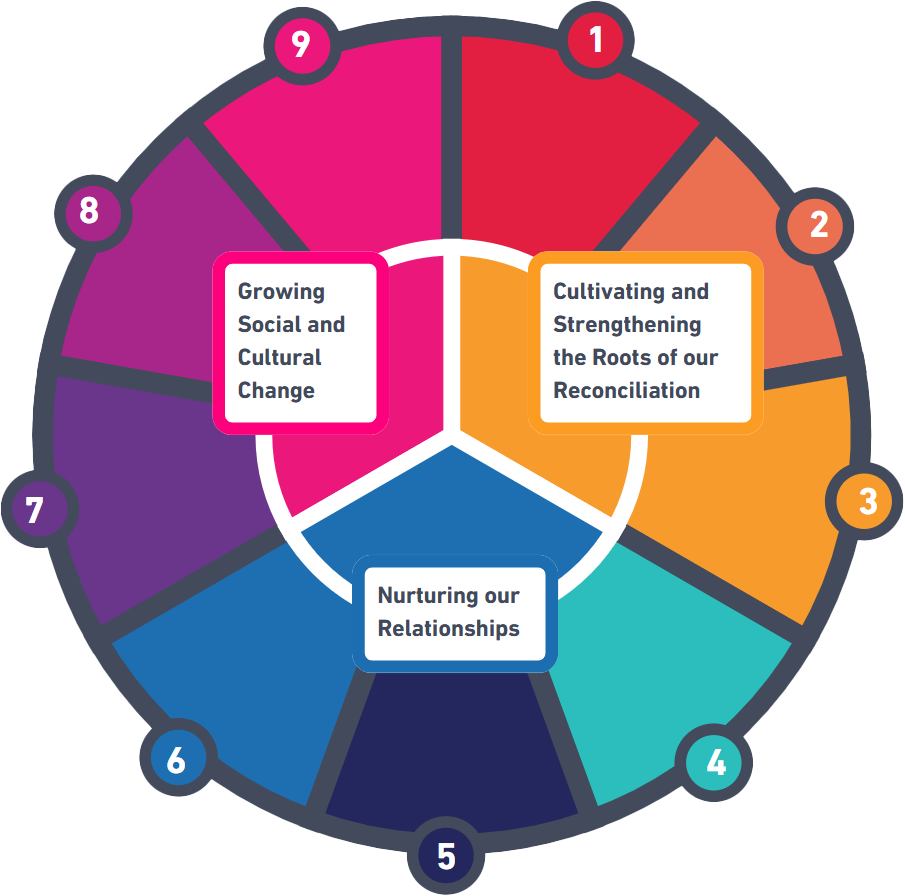
Our Nine Key Actions
1. Integrate Reconciliation in Operations & Budgeting Processes
YWCA Values: Responsibility, People-Centered
Truth and Reconciliation Commission’s (TRCC) Report and the 94 Calls to Action 92
MMIWG Calls to Justice 13.1-13.4, 15.1-15.8
2. Create a Communications and Engagement Strategy for Truth and Reconciliation
YWCA Values: Responsibility
Calls to Justice 6.1, 15.1, 17.19
3. Develop Education and Training Pathways for YWCA Board and Staff
YWCA Values: Responsibility, People-Centered, Belonging
TRCC Calls to Action 5, 52, 62, 92
Calls to Justice 7.7, 7.8, 8.1, 11.1, 11.2, 12.1-12.12, 15.1-15.8
4. Relationship Building and Reciprocity with Indigenous Organizations
YWCA Values: Partnerships, Responsibility
Calls to Justice 15.1-15.8
4. Relationship Building and Reciprocity with Indigenous Organizations
YWCA Values: Partnerships, Responsibility
Calls to Justice 15.1-15.8
6. Foster and Maintain Cultural Safety for Indigenous Staff and Service Users
YWCA Values: Intersectional Feminism, People-Centered, Belonging
TRCC Calls to Action 23, 24, 62
Calls to Justice 7.2, 7.6, 7.9, 12.3, 12.4, 12.12, 15.1-15.8
7. Develop and Implement the Objectives and Plan for Improving Hiring and Retention of Indigenous Staff
YWCA Values: Belonging, People-Centered
Calls to Justice 7.1, 7.3, 7.4, 7.6, 7.8 7.9, 12.3, 12.4, 12.12, 15.1-15.8
8. Explore and Establish Sustained Support for an Indigenous Staff Circle
YWCA Values: Belonging, People-Centered
Calls to Justice 1.1, 5.3, 7.1, 7.2, 7.6, 7.9, 12.1, 12.4, 12.14
9. Create a Model of Practice for Designing and Delivering Programs for Indigenous Women, Girls, and Two-Spirit Persons
YWCA Values: Responsibility, Intersectional Feminism
Calls to Justice 7.1-7.9, 8.1, 12.1, 12.4, 12.14, 15.